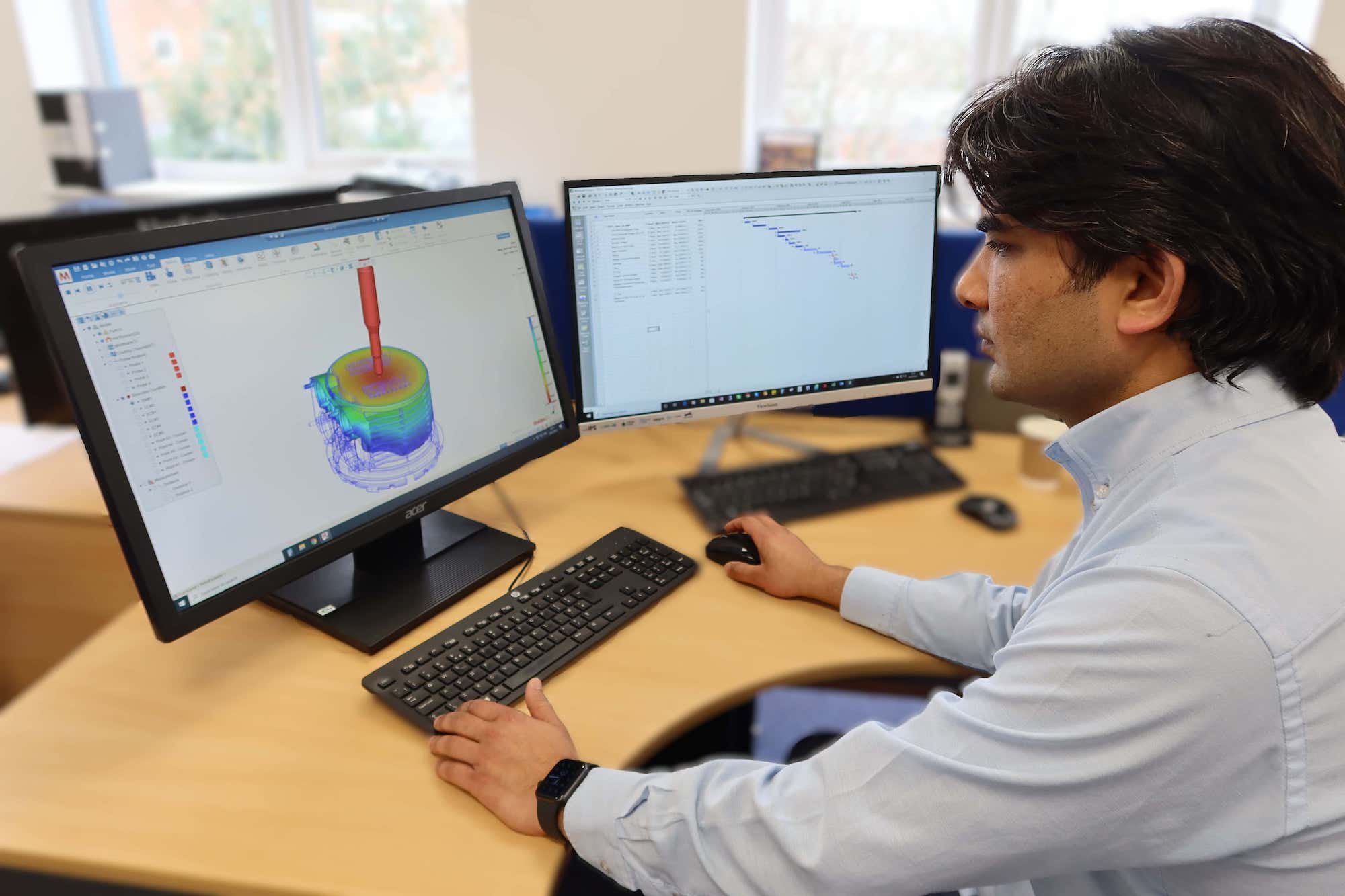
Most injection moulding problems don’t start in production.
They start much earlier – in design decisions, tolerance assumptions and tooling strategies made before anyone commits to steel.
This Injection Moulding Pre‑Tool DFM Risk Check is a practical checklist created to help design engineers and technical teams identify risk early, reduce unnecessary tooling complexity and improve long‑term production stability. It provides a structured sense‑check before tooling is quoted or released, when changes are still relatively quick and cost‑effective.
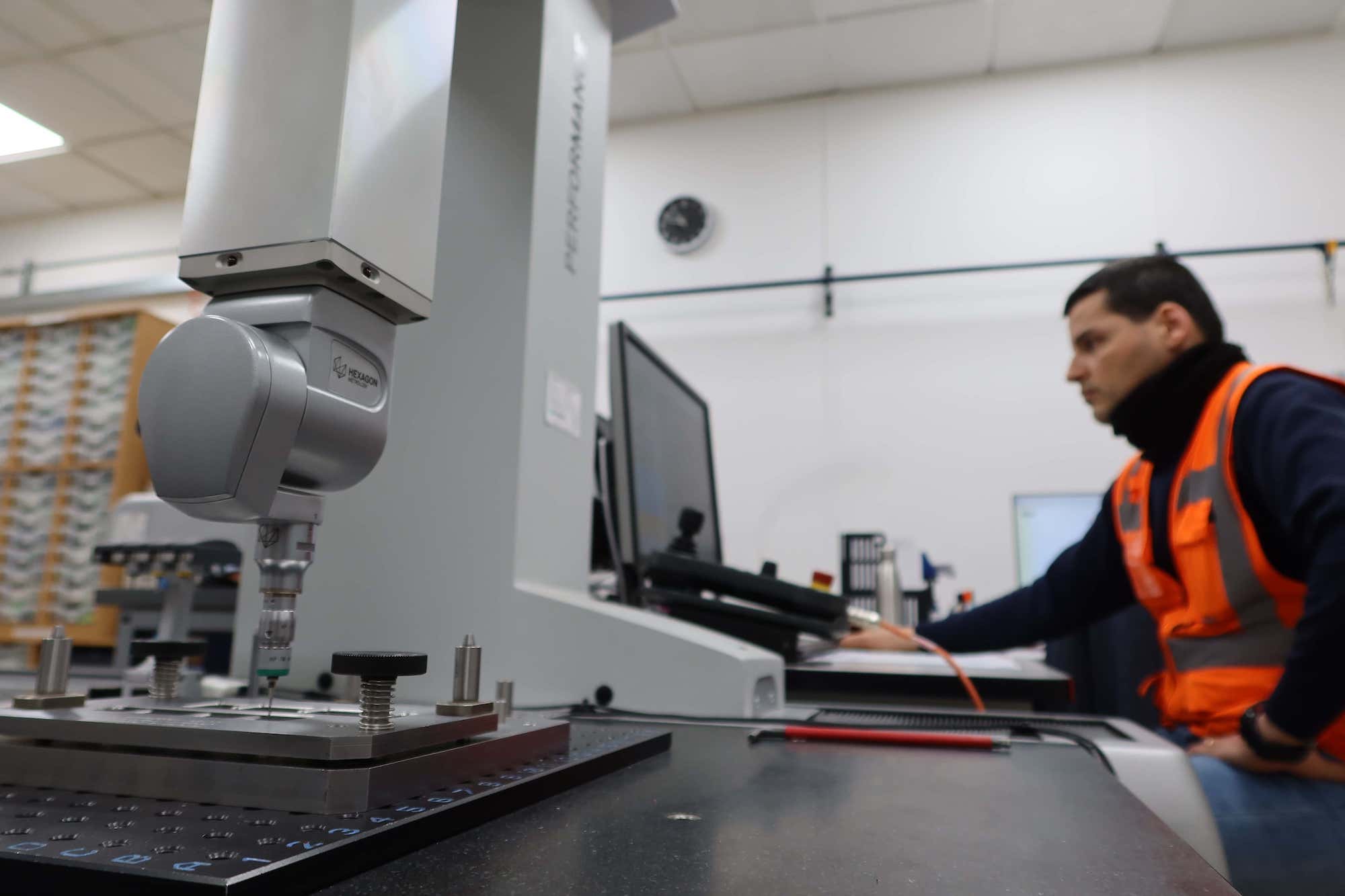
Decisions made during part design have a direct impact on:
Common issues such as over‑tight tolerances, inconsistent wall thickness, unnecessary cosmetic features or unclear critical dimensions often only surface after tooling trials. By that point, changes are slower, more expensive and disruptive.
This checklist is designed to prompt the right conversations before tooling is cut, helping teams think beyond first‑off samples to total cost of ownership across the product lifecycle.
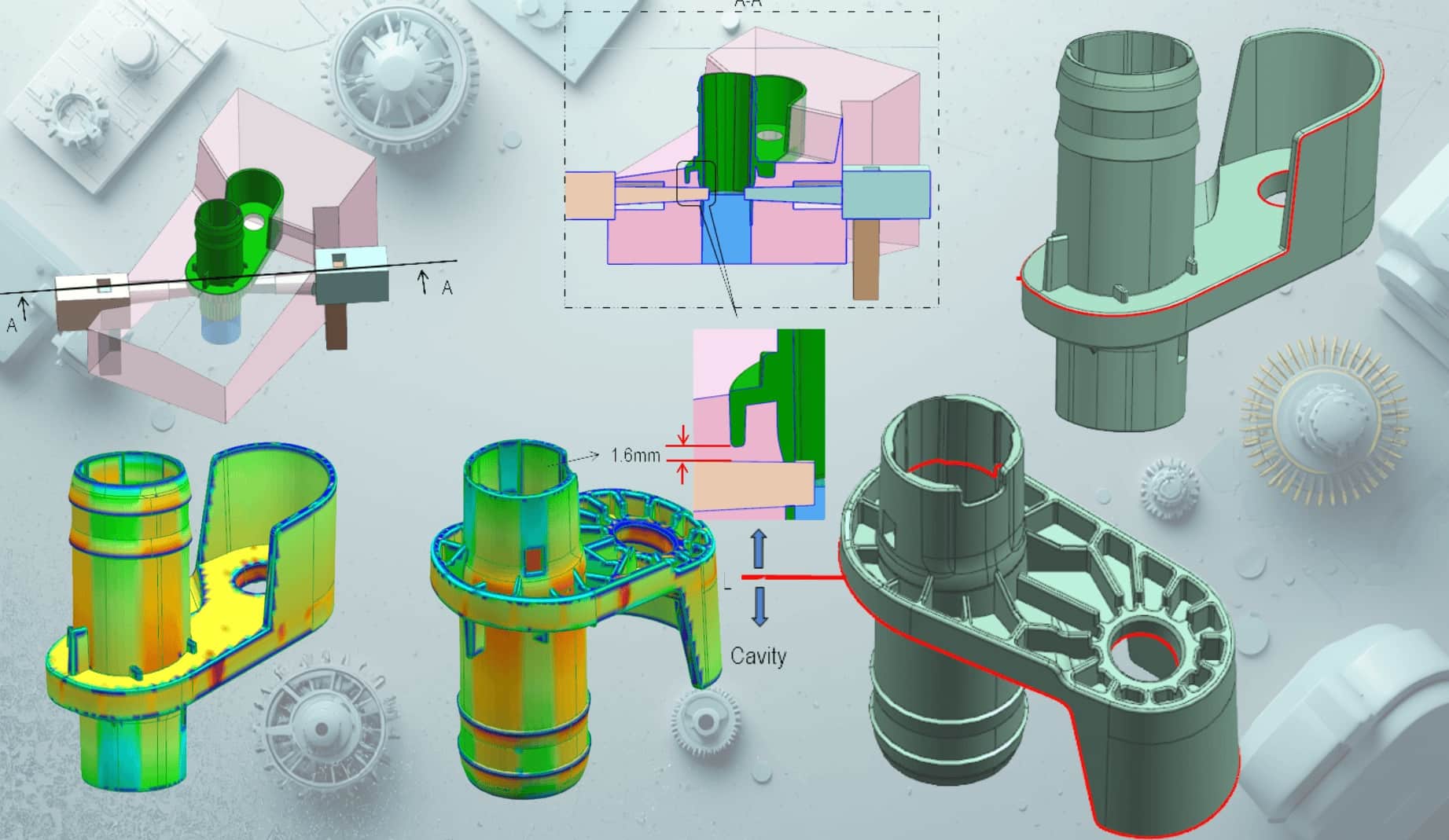
The checklist focuses on six key areas that regularly drive injection moulding risk:
Part design basics
Wall thickness consistency, ribs and bosses, draft angles, transitions and clarity between cosmetic and functional surfaces.
Tolerances and stack‑up
Challenging whether tolerances are function‑driven or habitual, identifying truly critical dimensions and allowing for normal moulding variation.
Material selection
Considering shrinkage, creep and long‑term behaviour – not just datasheet values – and understanding how material choice affects dimensional stability.
Tooling strategy
Early thinking around cavitation, inserts, gating, venting, cooling and access for maintenance or future change.
Process, quality and approval
Clear expectations for ISIR / PPAP‑style sign‑off, inspection strategy and handover from design to production.
Long‑term supply view
Volume expectations, realistic cycle times, ramp‑up considerations and stable production over the full life of the part.
Used during design reviews or supplier discussions, the checklist helps teams:
It’s not about having perfect answers – it’s about identifying risk early enough to manage it effectively.
This checklist reflects how Precision Engineering Plastics (PEP) supports customers: focusing on early DFM insight, tooling risk reduction and stable, repeatable injection moulding rather than late‑stage problem solving.
Use it freely. Share it internally.
If it prevents one late tooling change, it’s done its job.
Use this checklist as an internal working document to support better design decisions before engaging tooling or moulding suppliers.
Back to News